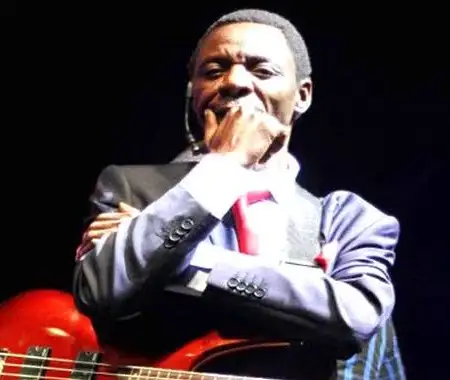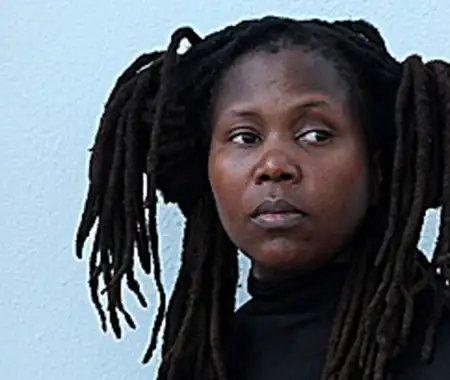


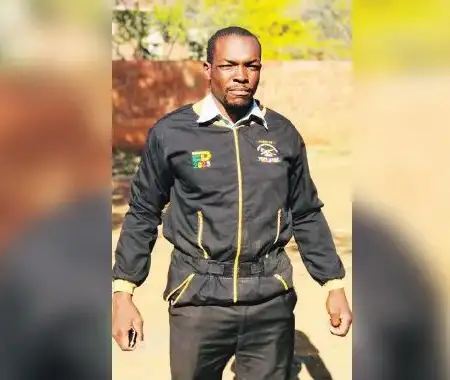
Second Republic achievements articulated through music
THAT music has long been a powerful tool for shaping communities, inspiring unity and propagating ideologies that connect people and ground them with the struggles or developments of the era is not new, it is historical. In the days of the liberation war in Zimbabwe, songs or music as an art form served as a vital instrument to communicate nationalist goals, rally support and educate communities about the reasons behind the fight for independence. The tunes, often performed during pungwes, became the voice of the people, conveying hopes, aspirations and the collective desire for liberation. It was a soft way of preaching the liberation gospel to a heterogeneous audience in a soft but sometimes emotive way that led to mass mobilisation. Today, that spirit endures as musicians continue to use music not only to celebrate progress but also to inspire development and patriotism.