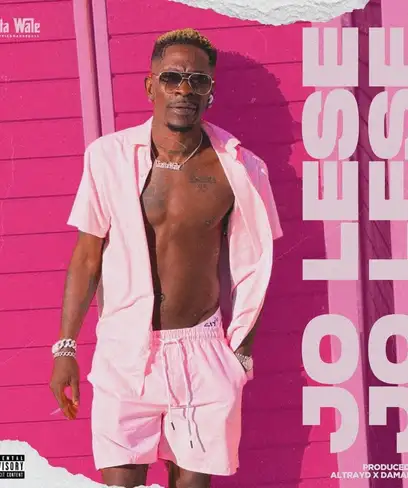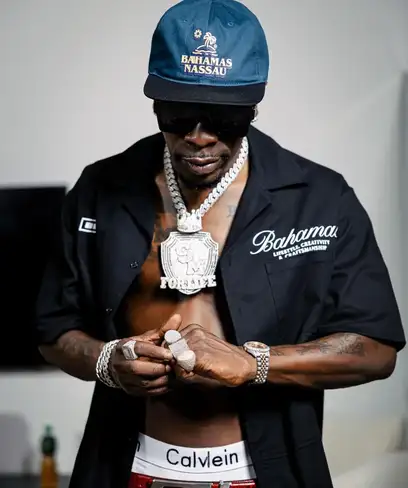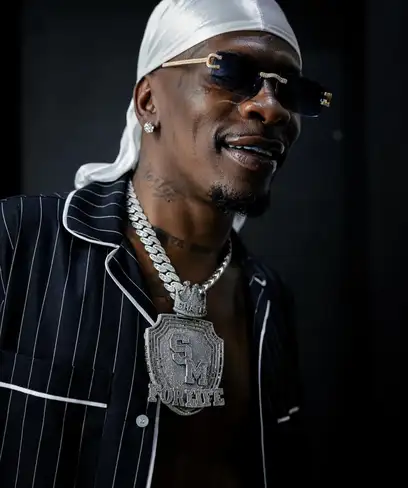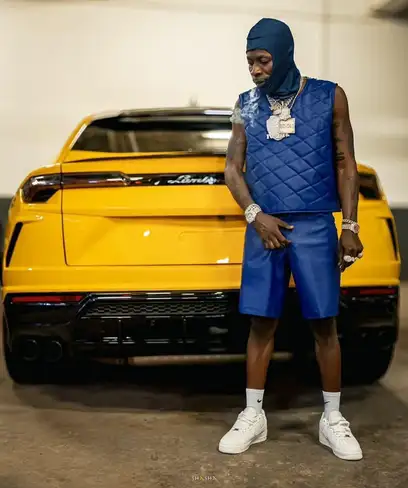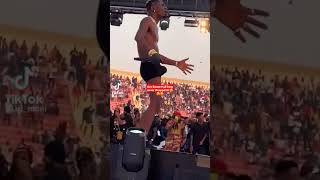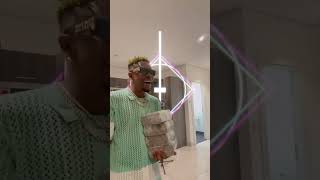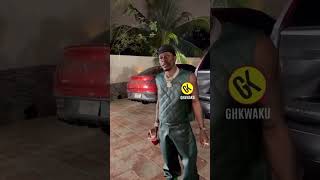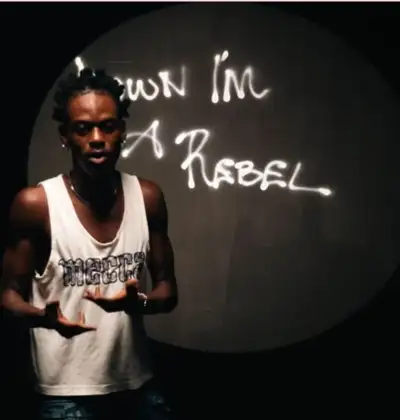
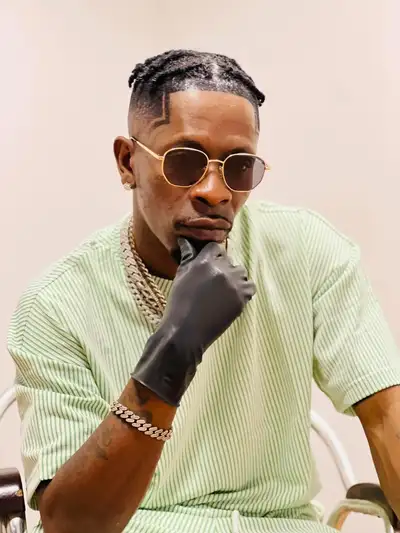
Shatta Wale is a prominent Ghanaian reggae-dancehall artist known for his hit singles like Dancehall King, My Level, and We Taking Over. He initially gained recognition under the stage name Bandana with his 2004 track "Moko Hoo." After a brief hiatus, he rebranded as Shatta Wale and achieved significant success, including winning the Artiste of the Year at the 2014 Vodafone Ghana Music Awards. In 2019, he gained international acclaim for his collaboration with Beyoncé on the song "Already".
Country
Ghana
Born
October 17, 1984
Age
41 yrs
Shatta Wale's personality, appearance and style
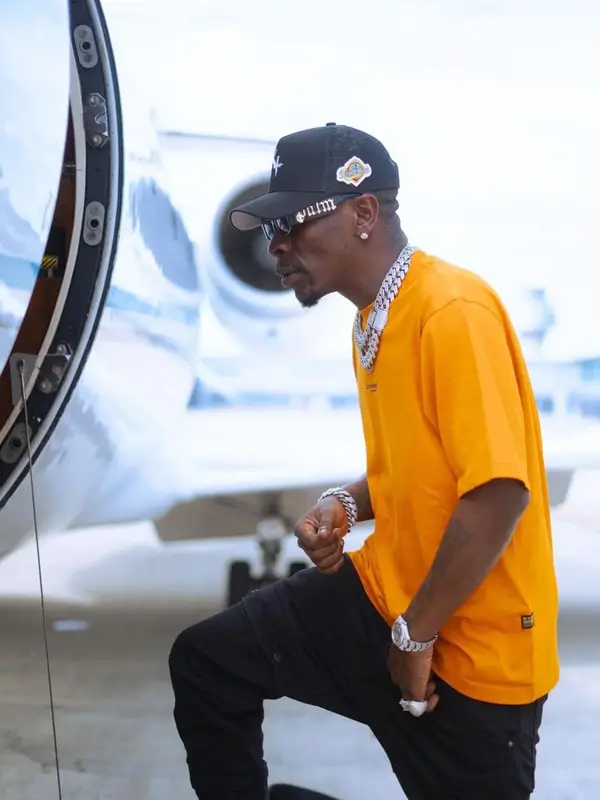
Shatta Wale's content, collaborations, and interactions with fans.
Veteran Egyptian actress Elham Shahin has signed on to present her first-ever radio series "El Geran La Baeduha".
Malawian artist Emmie Deebo has announced the launch of her own management company, “Deebo Creatives”. This development marks a new chapter in Deebo’s career, as she takes the reins of her own management while maintaining a strong partnership with Akometsi Entertainment. According to Deebo, Akometsi Entertainment, which has been her management team alongside other notable artists like Pop Young, is shifting its focus from full-time artist management to promotion and distribution work. Deebo revealed that she had requested a transition period to ensure a seamless handover. “Akometsi wanted to stop managing artists full-time to focus on more than just managing but also to work as promoters and distributors,” Deebo explained on her Facebook page.
Nollywood actor IK Ogbonna has called for improved personal hygiene among Nigerians. He shared his concerns on Instagram about how many people have body odor. He pointed out that many who don’t use deodorant may not even realize they smell. “If you’re not using deodorant, there’s a very high chance you’re smelling and may not even be aware of it,” the actor stated. He encouraged Nigerians to pay attention to their oral hygiene, noting that the tongue is part of the mouth and deserves care too. “If you’re unsure how you smell, ask your close friends or family. It’s better to hear the truth from them than to embarrass yourself outside. “As much as this might make you laugh, it’s a serious matter, let’s keep it fresh.
Nollywood actor, Segun Padonou Aina, popularly known as Segun Arinze, has offered his thoughts on the prevailing claims of homosexuality practised in Nollywood. In a recent interview with Arise TV, the 59-year-old Badagry native affirmed that he is not a party to any conspiratorial sect that practise homosexuality in the Nigerian film industry. In the words of the veteran film star, I do not bend over, so I cannot react to it. Well if they do bend over, they should keep bending. That is their problem. Segun, who is also a voice over artist, acting coach, and singer, however, expressed his apathy towards the speculations that some of his industry colleagues may be indulging in the act. He said, They are adults and they have a right to do whatever they want to do. It is none of my business Segun Arinze further went on to harp on the fact that he prefers to live a straightforward and professional life, stressing that he avoids unnecessary controversies. He continued,
The saying, ‘Where your power ends, another’s begins,’ comes to life in Mr comedian Mr Macaroni’s latest skit, ‘The Avenger of Nollywood’, as popular actors known for playing herbalists engage in a dramatic clash. The skit, released on Saturday, was the second part of ‘An Ancestor Wants to Marry My Daughter’, in which veteran actor Pete Edochie played an elder seeking to marry Mr Macaroni’s fictional daughter, Motunde. PREMIUM TIMES earlier reported that Mr Macaroni’s rejection of the 77-year-old’s proposal on the grounds of age and his cheeky reference to him as an ancestor led to Edochie disappearing with Motunde. After years of searching for his daughter’s whereabouts, Mr Macaroni sought the help of herbalists to wage a spiritual war against the iconic actor, renowned for his debut role in ‘Things Fall Apart’ 37 years ago.
Egyptian actor Mohamed Ramadan shared Wednesday on Instagram new details about his show "Madfaa Ramadan," which will air on the "DMC" TV Channel during Iftar time. While Ramadan did not reveal any details about the nature of the show, however, he did disclose that it will "Make my loved ones happy, upset some people and will scare others." He added: "'Madfaa Ramadan", in short, is a new kind of drama."
Musician Victor Rukotana has, for the past two to three years, been regarded as a cowling baby in Gakondo music. He is now showing signs of taking over since releasing ‘Imararungu’ album, his first full-length project since launching his career in music in 2018. Rukotana’s 10-track album is not just a “regular release.” “It is a “deliberate movement to preserve and elevate the Gakondo genre,” he told The New Times. According to the artiste, Imararungu album is deeply rooted in Rwandan culture, primarily through the use of traditional instruments and themes. One of the standout aspects of the album is its recurring motif: the cow. In Rwanda, cows are more than just livestock; they symbolize wealth, wisdom, and cultural pride, representing the country’s rich history in selective breeding and traditional values.
The 14th edition of the Luxor African Film Festival, which is being held with the participation of several African countries, including Morocco, was inaugurated yesterday evening, Thursday, in Luxor (southern Egypt). The opening ceremony of the festival, which will be held until January 14, featured the honoring of filmmakers Khaled El Nabawy (Egypt), Ahmed El Hafyan (Tunisia), Akosua Busia (Ghana), Moussa Sana Absa (Senegal), and Magdy Ahmed Ali (Egypt). On this occasion, the festival president, Sayed Fouad, announced the dedication of the 14th session to a number of deceased African artists and filmmakers, namely the Egyptian screenwriter Bashir El Deek, the author Atef Beshay, the Moroccan director Tayeb Saddiki, the Mauritanian director Med Hondo, and the Senegalese director Safi Faye. The jury committees for the festival’s official competitions were also introduced.
Local movies have earned a special place in the hearts of Mzansi. It also explains why streaming platforms keep investing in these offerings. Now, if you’ve been following the “Umjolo” film franchise on Netflix, you probably also watched the fourth offering, “Umjolo: There Is No Cure”. Of course, Stained Glass has cemented its prowess in the romance genre. The stories mirror real-life struggles in relationships, addressing issues related to commitment-phobic partners, open relationships, infidelity and so forth.
The African Music Week (AMW) Accra launch on December 27, 2024, at the Ghana Investment Promotion Centre (GIPC), unveiled plans for the festival set to take place from December 15 to 20, 2025. The event highlighted AMW’s mission to connect Africa’s music industry with global audiences through speeches, panel discussions, and captivating performances. Opening the event, Yofi Grant, CEO of GIPC, emphasized AMW’s potential to boost Ghana’s music tourism. Julz Ossom, AMW’s founder, outlined its vision to strengthen industry connections across Ghana and Canada, while Ruddy Kwakye, CEO of The Rave Group, discussed how music tourism can drive economic and cultural growth. Contributions from key figures enriched the launch. Bessa Simons, MUSIGA President, highlighted music tourism as a vital revenue source for artists.
In a recent livestream on TikTok, Nigerian artist Fido surprised many by gifting N5 million to Peller. This generous contribution served as a gesture of gratitude for Peller’s ongoing incorporation of Fido’s song “Joy is Coming” in his content. The touching incident rapidly gained traction online, with fans expressing admiration for the camaraderie and mutual respect shared between the two artists. Clips capturing Fido’s donation and Peller’s heartfelt response circulated widely across various social media platforms. This act of generosity highlights the supportive spirit prevalent within the Nigerian music industry, where artists actively uplift and celebrate one another’s successes. Watch video
Transitioning from Stage to Screen: What You Need to Know For many actors, transitioning from stage to screen is an exciting yet challenging shift. While both mediums require strong performances, the techniques, expectations, and industry dynamics differ significantly. Whether you are a theatre actor stepping into film or television, understanding these key aspects will help you navigate the transition successfully. Bridging Theatre and Film Skills Use your stage background to enhance screen performances, particularly in areas like deep character development and strong emotional commitment. Take screen-specific training to refine your technique while maintaining the discipline and craft developed in theatre. Stay adaptable and continue learning to make the transition seamless. Adapting Your Performance for the Camera Theatre acting often requires exaggerated expressions and projection to reach the audience, while screen acting demands subtlety and naturalism.